Over the last few years I have travelled between and spent time in numerous major European cities, some capital cities, some just cities. All, in their own way, wonderful, beautiful, vibrant cities.
Budapest, with it’s old world grandeur, perhaps a little rough around one or two of the edges, after some decades where there been a little less spit and polish applied than one might normally expect, is now on the cusp of a new, positive future after the democratic political changes that have taken place recently. You can read about Budapest on these words, here….
Hamburg, a relaxed, affluent city with it’s adult evening entertainment on one of Europe’s longest city streets, as well as a miniaturised megalith of fun in the Warehouse district where entertainment is as large as small can get. If you know what I mean, you know what I mean. Hamburg carries itself with a quiet sophisticated assurance, a city that knows it’s place in German and European history. Hamburg, a city of fabulous architecture, including The Chilehaus, the Rathaus and the really rather wonderful Elbphilharmonie. The home of the Hanseatic League, the mediaeval , 400 year trading partnership straddling northern Europe from what is now Belgium, past Tallin in current Estonia and beyond. Trade will go where people are. Hamburg, with Lubeck, were the driving forces of trade in the region.
Amsterdam, much like Hamburg, is also built on a rich trading history. Although trade from much further afield. It was the Dutch who gave the world peanut butter, or pindakaas (‘peanut cheese’) in Dutch, based on the Suriname preparation. When peanut butter was brought onto the market in the Netherlands in 1948, it was not allowed to do so under the name peanut butter. The word butter was specifically reserved for real butter, to avoid confusion with margarine. While pondering peanuts, the other issues for tourists are not being run over by a cyclist, or deciding which of the old town shop display windows looks the most intriguing, Evening time and beyond seem to be the optimal time for setting aside an hour or two to ponder. Amsterdam is awash with top notch museums…..
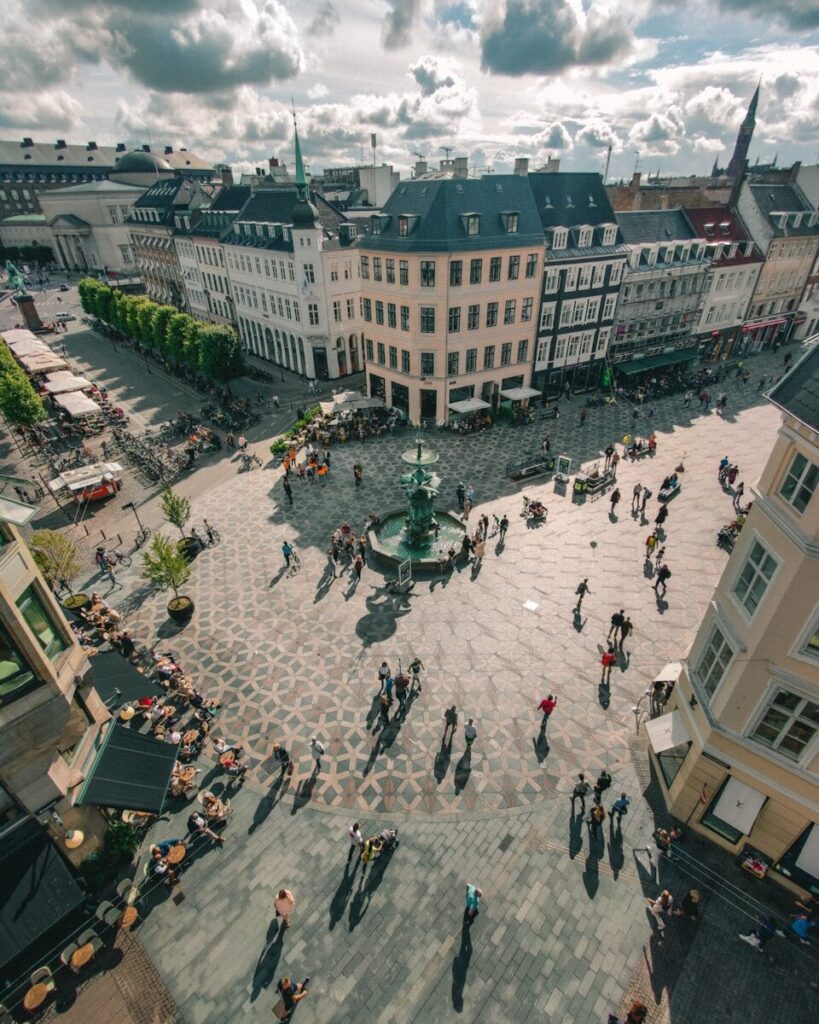
Copenhagen, one of Europe’s coolest and most influential design cities; who has not looked through a coffee table book or a glossy magazine and been influenced, in some small way, by an image of a chair in kitchen with some bread and coffee and longed for a Hyyg hug. There is also a new colour, Scandinavian Blonde, for chairs. Who knew. Copenhagen is cast as a destination by key images, mostly the colourful harbour sides buildings and people whizzing around on cargo bikes with children wrapped in chunky knit jumpers. But, after a few days and a slightly different, non tourist map, Copenhagen has so much more to offer. Bjarke Ingels would agree I’m sure.
Paris, a city so full of cliche that it’s sometimes easy to miss what the real, everyday Paris is like. Paris was a city I had never seen before December 2025. I had been through it, I had been around it; I’d even sat in one of it’s fine airports for a while waiting for my connection to Libreville in Gabon. But I had never been /to/ Paris. I had always wanted to, mostly to see The Pompidou Centre. Now I have. The Pompidou, even closed, is a fascinating Architectural marvel. A British Architect building an inside out exhibition hall; lambasted by some, lauded by most, loved by everyone who experiences it. Paris itself was surprising. A vast, sprawling, excellent Public transport system with a ticketing system seemingly set up to confuse. A chain of vegan bakeries; this was an unexpected pleasure. The Happy Cow lead to that delight. Most surprisingly, for me at least, were the number of excellent eateries, open on 25 December. Coffee shops, cafés, bistros’ and normal places. Good eating.
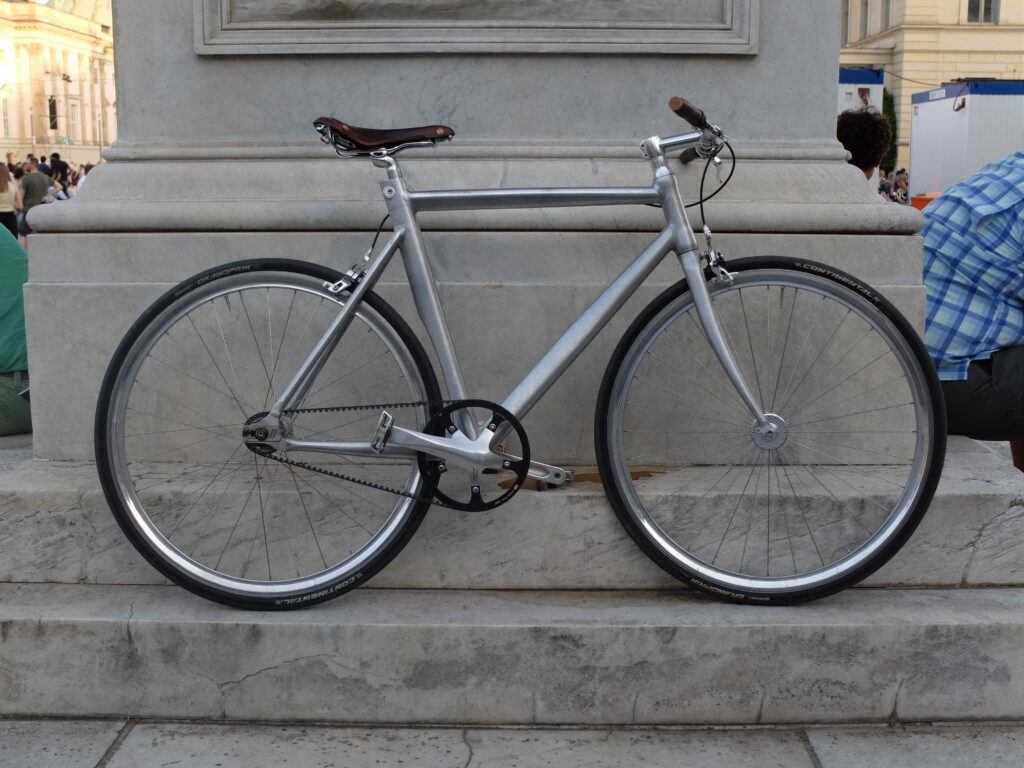
And Berlin. Who does not love Berlin? A music scene always on the cusp, the usual great food [Berlin is one of the great ‘Food on the Hoof‘ cities ] , wide open parks, a history rich in drama, intrigue, joy and sadness and more Burlesque clubs and bars than any other civilised city. And civilised it is. Berlin is the most populated city in Germany, but never feels big. Like London, Berlin feels more like a collection of small areas, that have grown into each other, each retaining their own feel, atmosphere. While there I managed to take some time on a Schindelhauer bike. The hub, if you’ll excuse the pun, of minimal, utilitarian chic. In German, schick. Das ist aber schick!
Wonderful cities; diverse and interesting, fascinating and beautiful, all. In common, all have interconnected, cheap, efficient, regular public transport networks. City to city, in and around the city. Public transport is the very beating heart of any decent, functioning European city.
Ah, Vienna. It means everything to me.
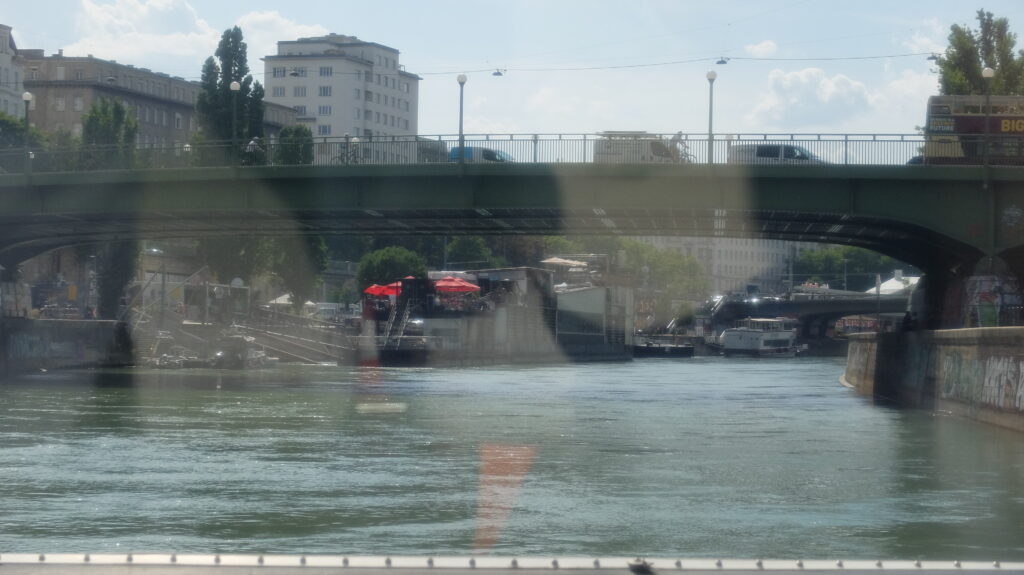
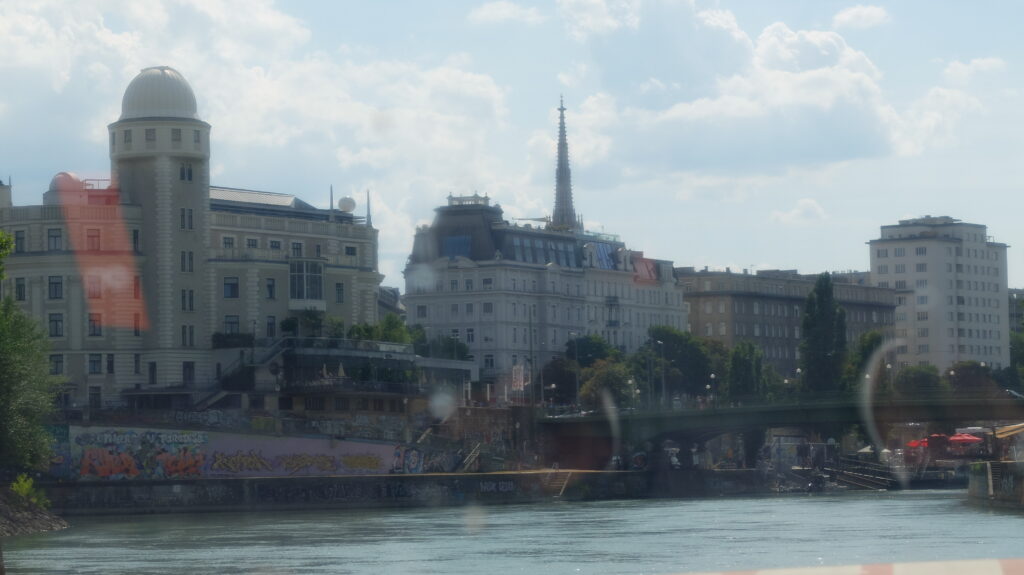
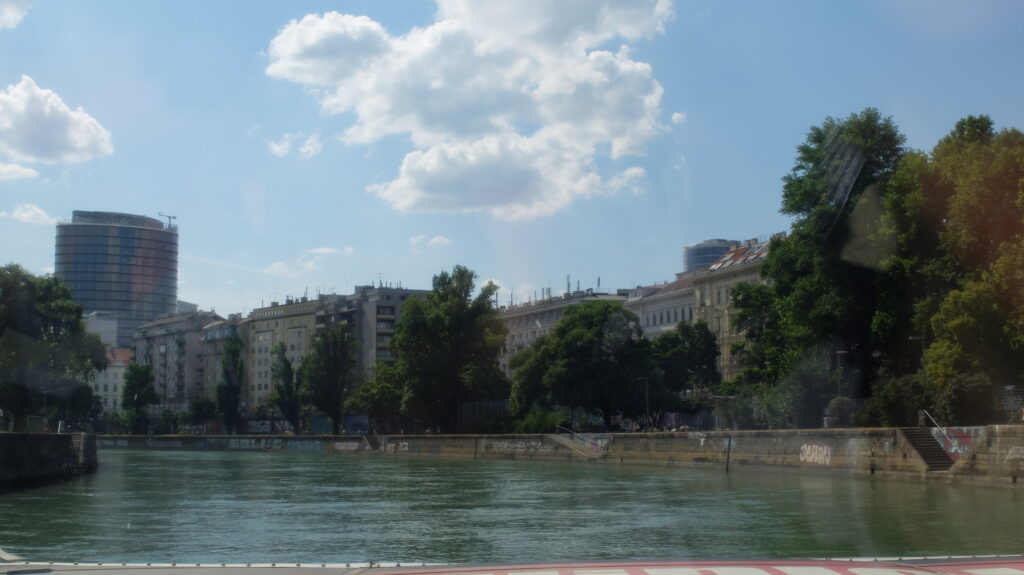
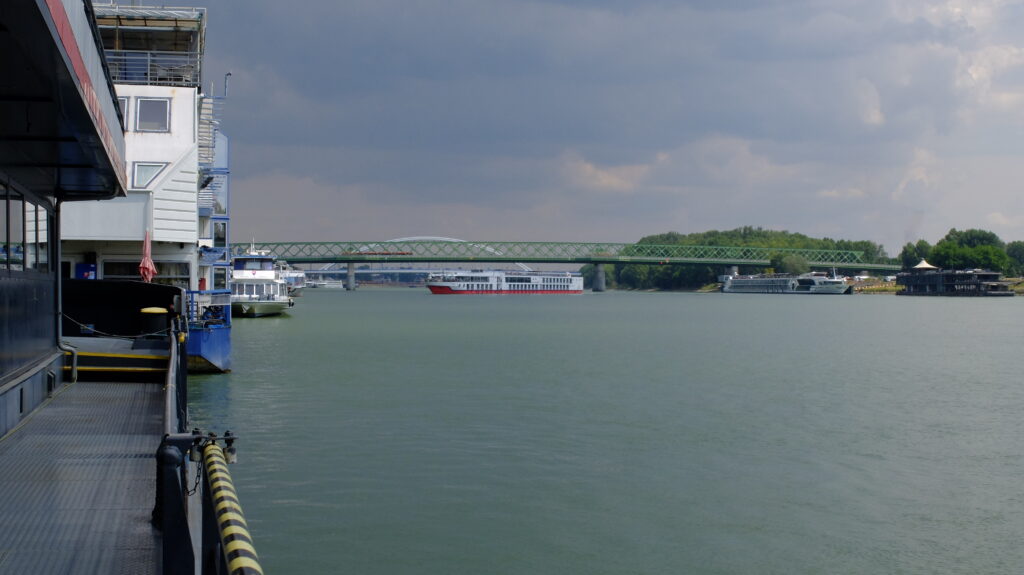
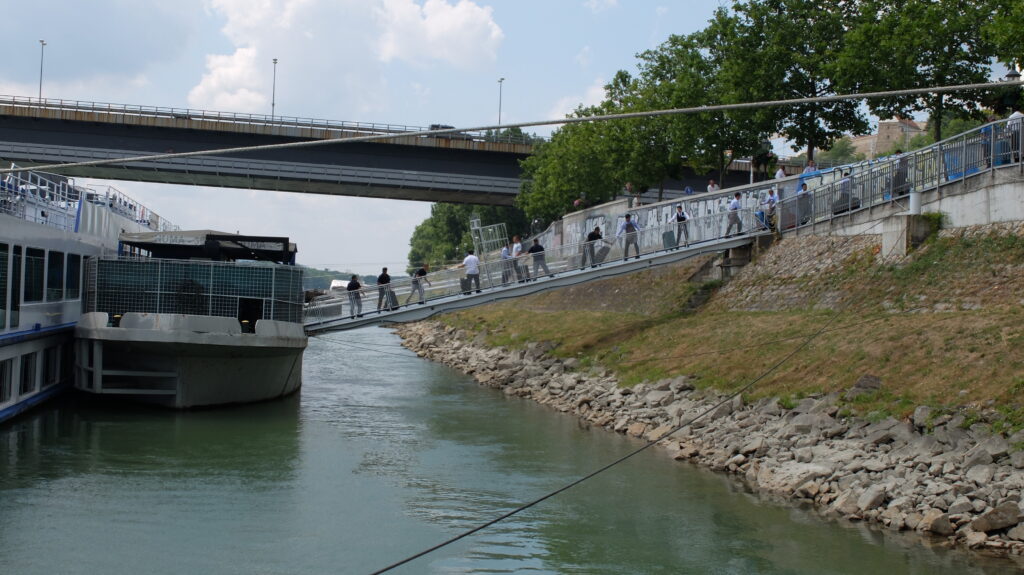
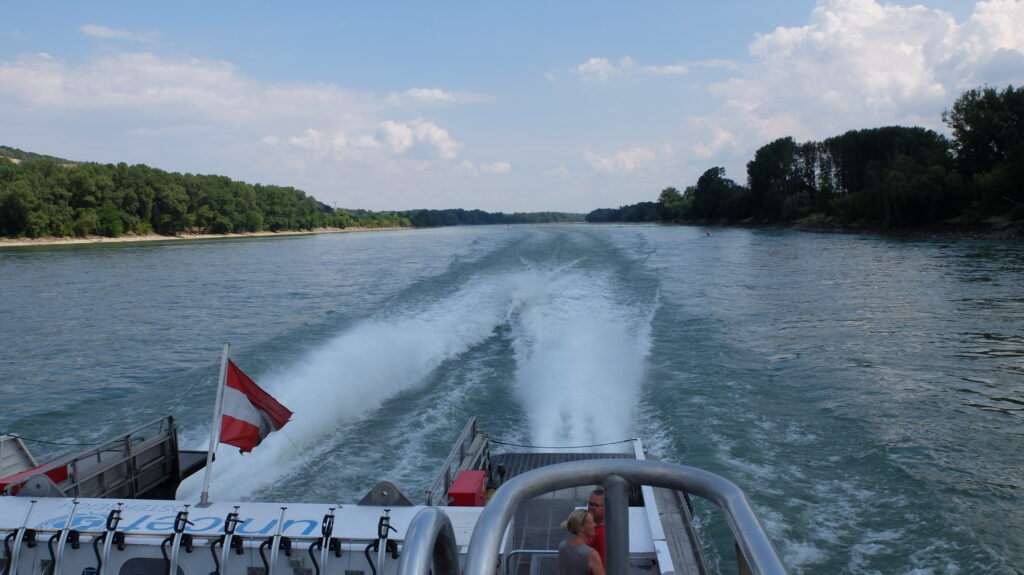
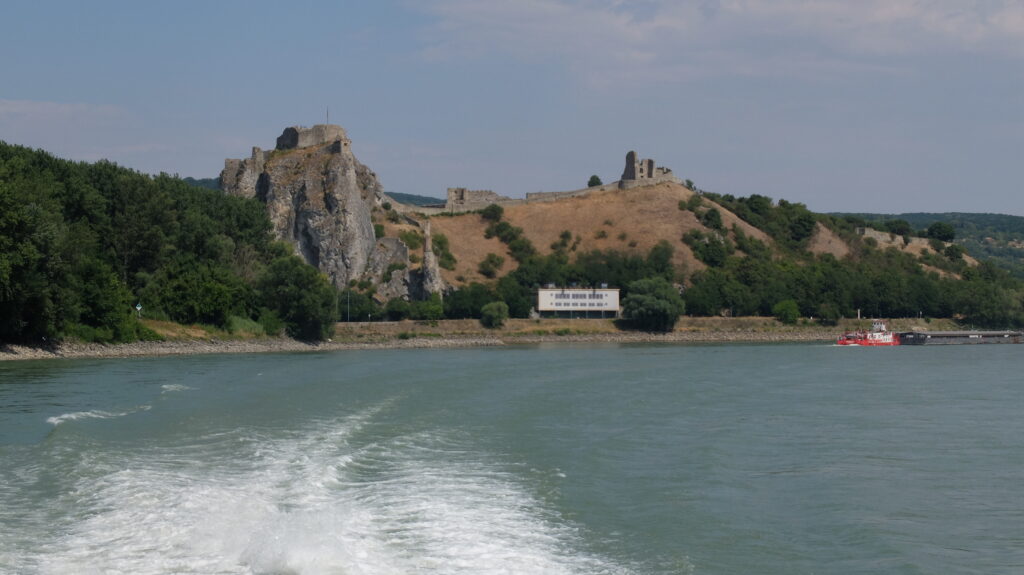
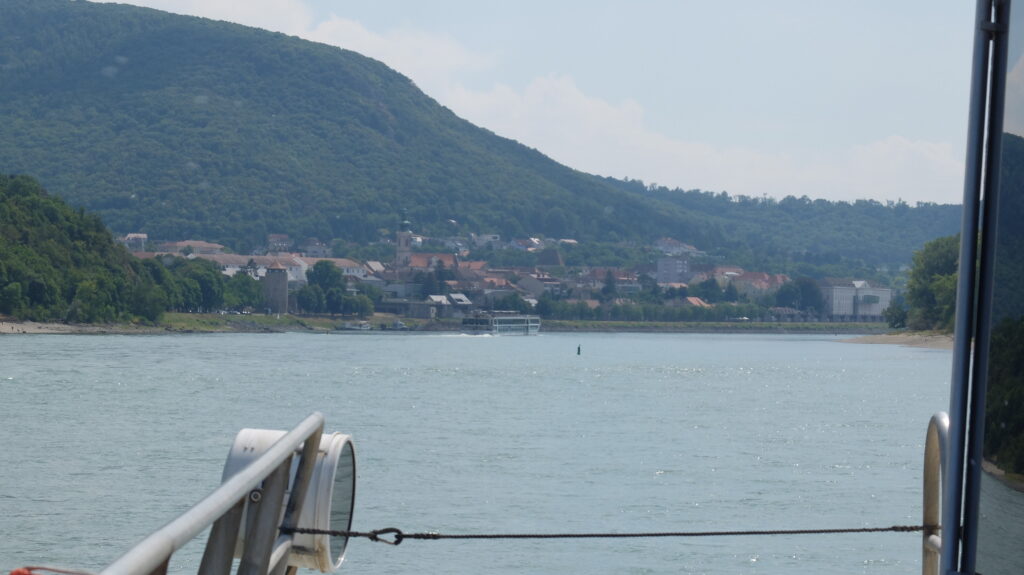
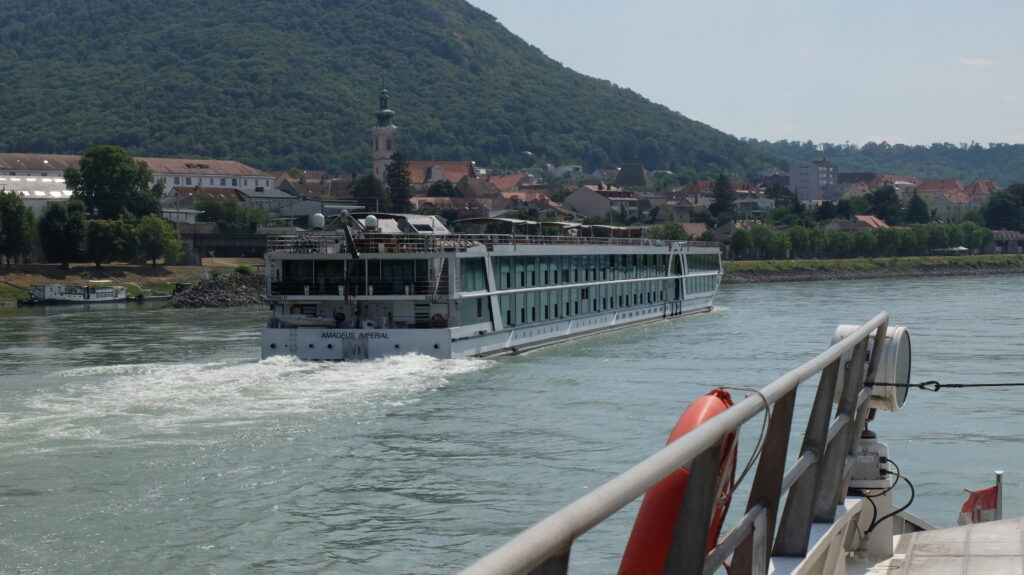
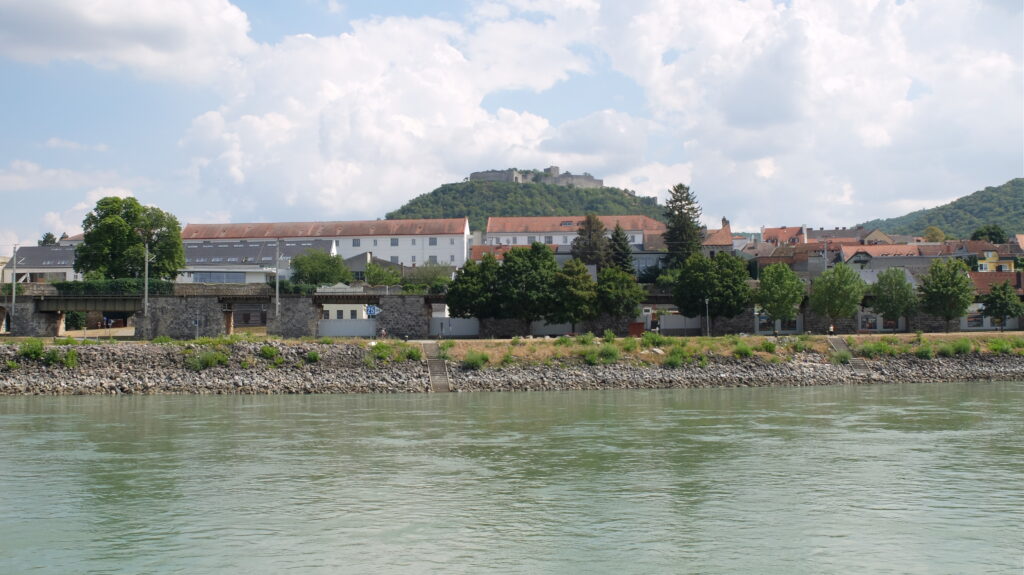
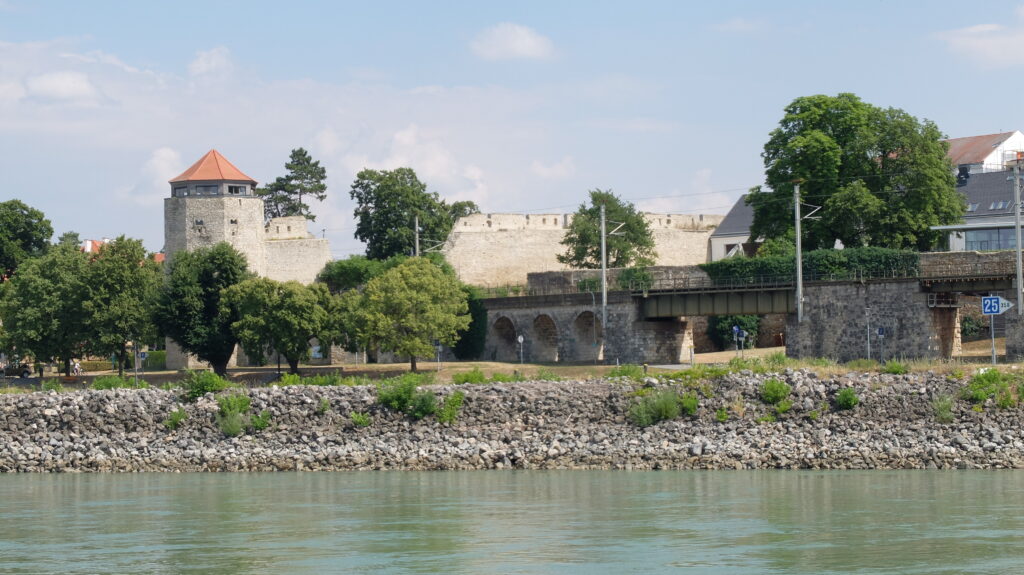
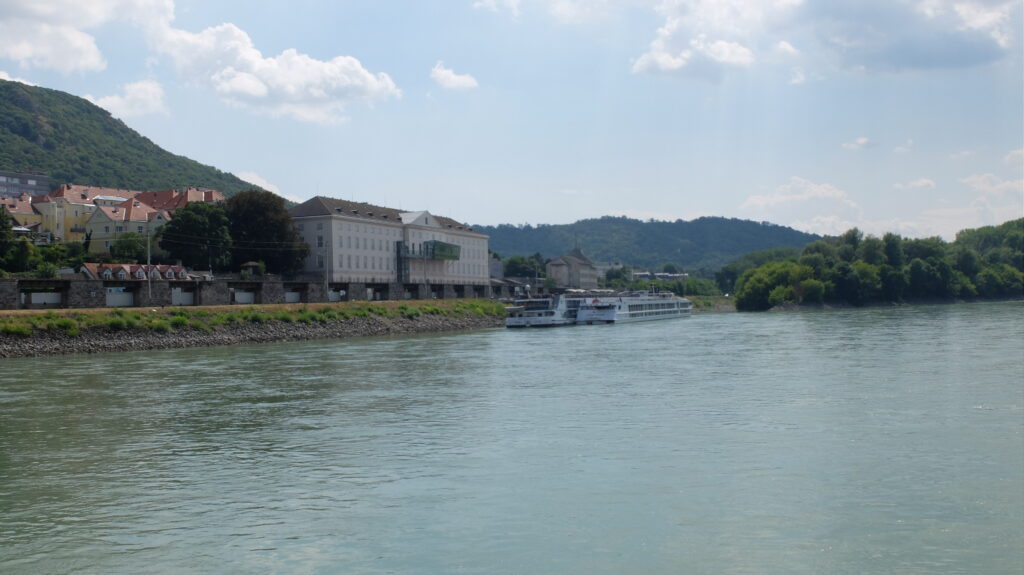
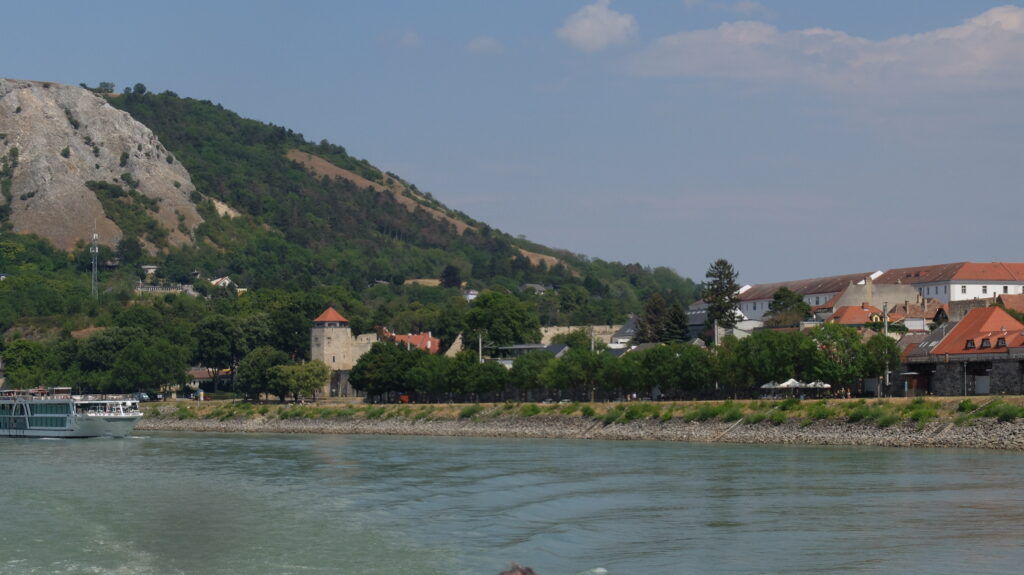
Basics first. A seven day Vienna card, for the U-Bahn, S-Bahn, buses, trolley bus, regional trains and to a radius of around 30 kilometres, trains, for under €30. Value that is comically good. The tone was set arriving into Vienna. This time, not by train from Bratislava to Vienna but on the Danube, Donau, south to north, by boat. Catamaran. The Twin City Liner. The route is more direct than the train; literally, the centre of Bratislava to the centre of Vienna. 90 minutes. The train takes a longer route, for the same duration. By boat, by Catamaran, the journey is infinatly more beautiful, the more civilised way to travel. Maybe not deep into a central European winter, where temperatures can dip as low is negative 25 celcius, but in the height of summer, certainly. Sat at the front, in the posh seats with a Spritz, or atop on the open deck, was sublime. The weather helped certainly, but it was joyous.
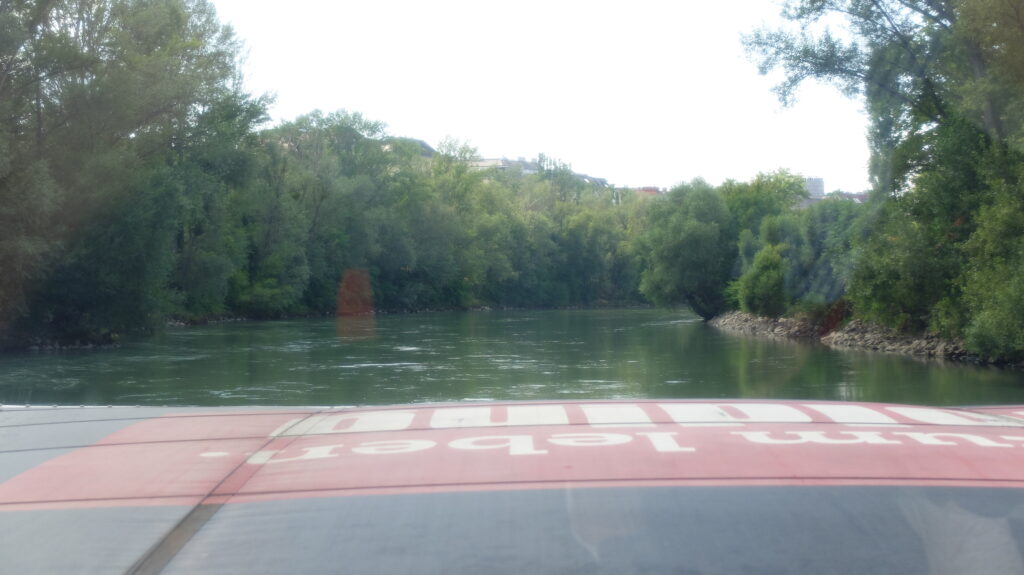
I have not used the Danube, Donau in this way before, but the water levels looked low. I have no frame of reference, but there seemed to be lower tide lines, more, longer beaches, the S curves seemed to be more curvaceous, for the boat to find the deeper water, that I would expect. But I’m not a river navigation expert.
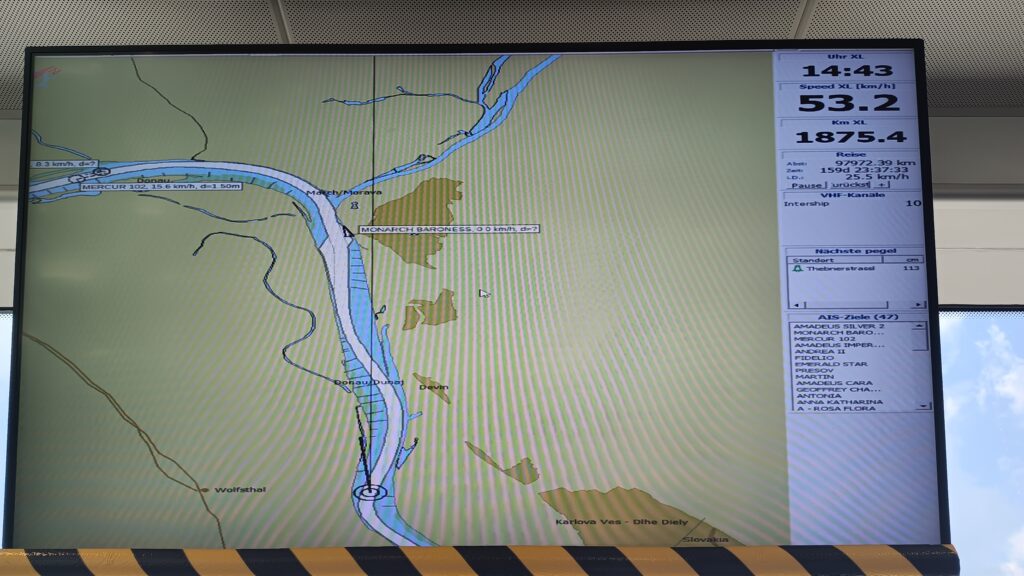
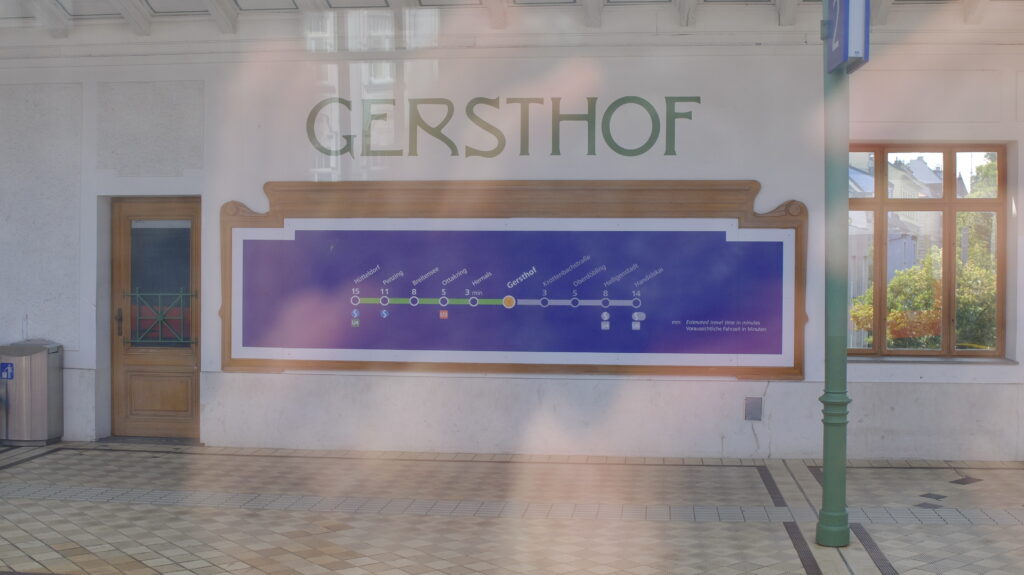
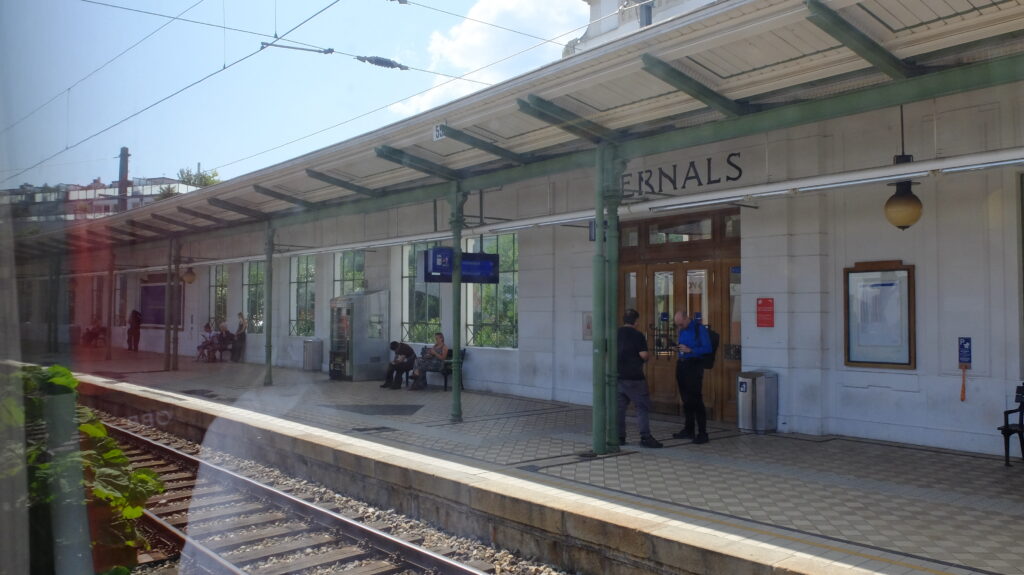
And so arriving in Vienna, on the Danube, was a new experience; a Danube, Donau port side arrival. Next to the S-Bahn. And the U-Bahn. Of course it was. one expect; transport linked to transport. In the U-Bahn station, check the map, buy the multi day travel card and that is it, arrival done.
Here, I’m not going to write up a précis of Viennese, Austrian, Austro-Hungarian history. A lot has been written already, Wikipaedia of course. Britannica. But this will be an excellent starting point.
The history of Vienna, the history of Austria is everywhere to see. The rich architecture, the symbolism and iconography, the order and structure, the quiet confidence that Viennese have of knowing they gave the world Strauss, Mozart, ApfelStrudel and the Third Man. More of him in a separate post.
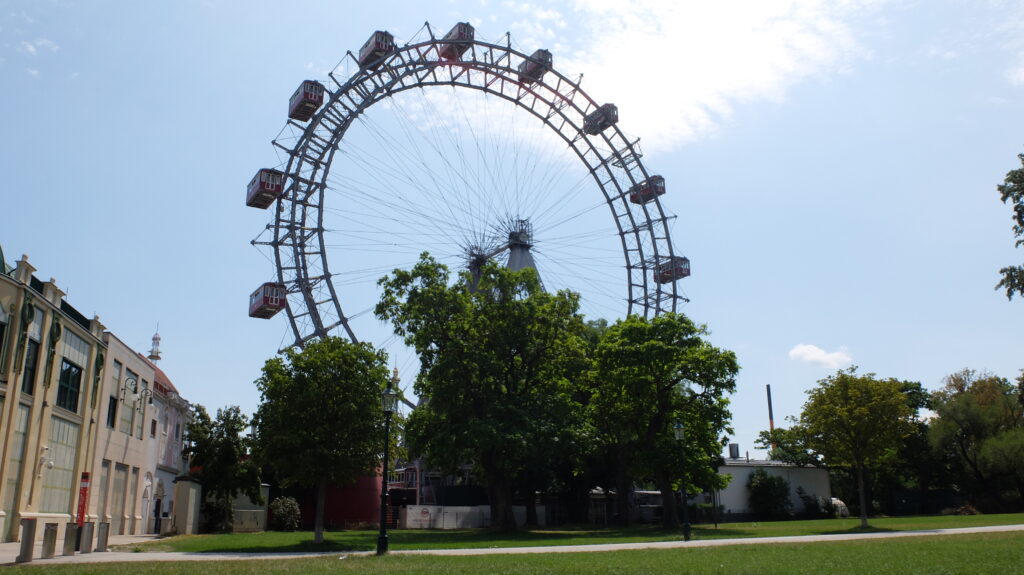
The opulence of Vienna is impressive; from the wide boulevard style streets with a tree lined centre, magnificent Baroque eateries and Wien Vino establishments that have a feel of an after theatre bordello, coffee houses , Cafe Haus, which are ubiquitus, if not unique. Dedicated cycles routes which are segregated, easy to see, well used and respected. The hiearchy of Righty of Way, seems to be, Public Transport first, Pedestrians, then Cyclists and vehicles last. As it should be.
The Coffee Haus in Vienna is something else. Maybe not unique, but in Vienna uniquely done. The most oppulent, the most elegant, the most visited are perhaps also the most well known. The Sacher Hotel and Sacher Cafe seems to have queues all the time. In the heart of Vienna, people come for the Tort and the opulence. They do a very good strudel and excellent coffee. So they should. It is not cheap. But, if you want an Original Sacher Tort this is the only place to go. Everywhere else just has ordinary Sacher Tort.
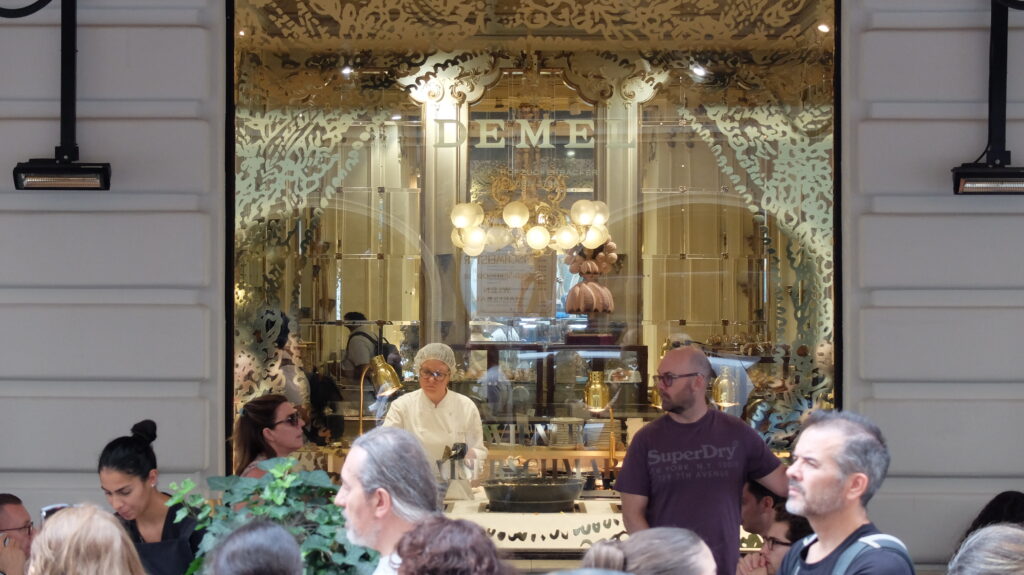
Another type of Viennesse Cafe Haus if one that looks like the Sacher Cafe but is aimed squarely at the tourist market. Pictures of food. Links to different social media on the menus and in the window, Seeming little partience from the staff once you’ve paid. Former customers only take up space for the next victim, I mean customer. These are everywhere. There is a Mediterranean level of encouragement and enticement to bring you in.
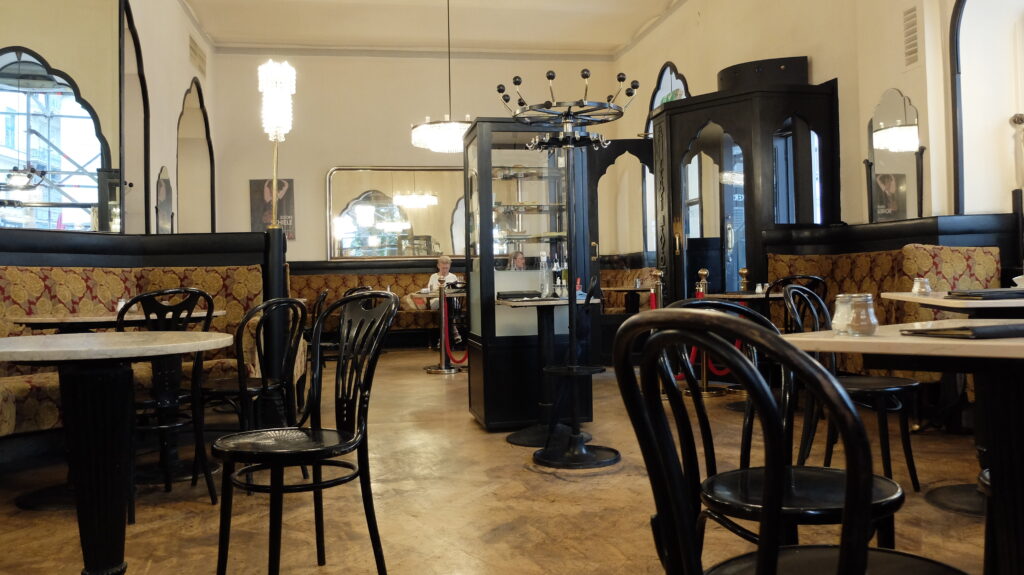
My favourite Viennesse Cafe Haus is also the most ordinary. It is the place where the Viennese go to drink coffee. And take some lunch. And read the paper. Quiet, straightforward, no piped background muzak. Understated elegance. Often the menus are in German only. There are absolutely no social media links. The only pictures are hung on walls, showing Vienna in all it’s historical finery. The is Austrian. Simple menus, well prepared, simply served. The Rosti with creamed spinach was not what I was expecting. It was better than I hoped for. The coffee, a großer Brauner, delivered on a silver platter with a small glass of water, was, as always, delish…….
Vienna is also quite vegan too. Despite the inherently meat based diet; Wiener Schnitzel, the eponymous breaded and fried veal escalope wasn’t actually invented in Vienna, but they have named and claimed it. Tafelspitz, boiled veal, or Tafelspitz, is the classic of the beef dishe in Vienna. Esterhazy Roast Beef; more beef, named after one of Austria’s most prominent families. And of course Käsknöpfle; cheese noodles. Nöpfle are very similar to spaetzle, or Spätzle, in Germany, Switzerland. I am sure there will be Austrians who will say they are very different, but for an outside palette, close enough for me to ‘similar’.
For Käsknöpfle, it is the cheese that makes this dish non vegan. Probably not vegetarian either to be honest. But, snoop around the Happy Cow and there are plenty of Vegan options in Vienna, including Vegan Käsknöpfle. Vegan cheese and no eggs in the nöpfle. Ohne Ei. Delish.
The Happy Cow has 43 Vegan eateries in Vienna, some are just pizza, pasta places, but most are better than that, The ones I visited were superb. By the same filter, Dublin has two. A a vegan in Europe, one is never short of good eating options.
One of the very fine things about Vienna, something it has in common with other great European cities, is the free Film Festival at the RatHaus. I was fortunate enough to experince something similar in Berlin last summer. I should write more about Berlin.
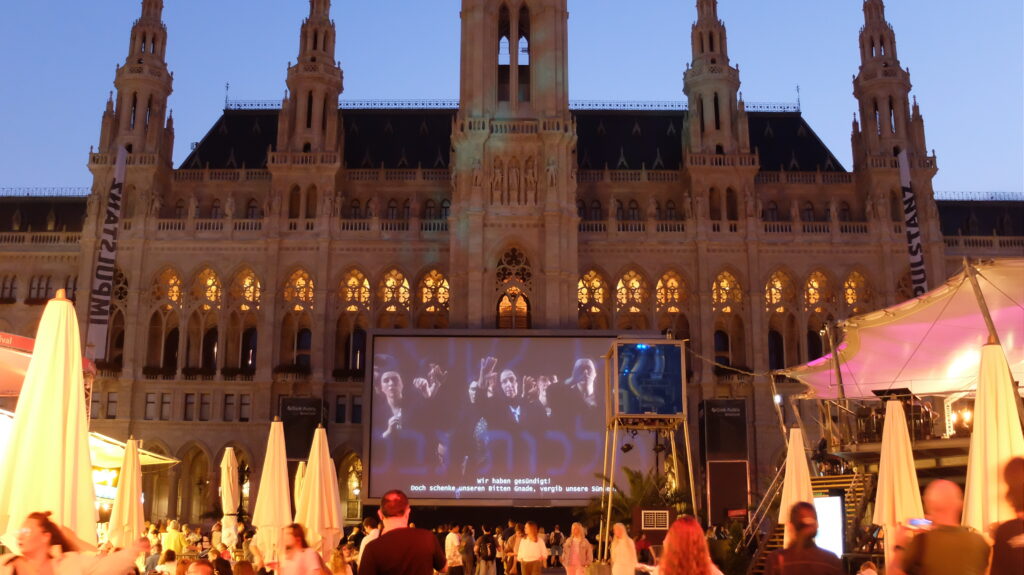
In Vienna, this film festival runs from early July to early September; two full months. The concept is laughable simple. Put a giant screen in front of the beautiful RatHaus, town hall, lay out 500+ seats, create an avenue of 30 outlets for food and drink and then make it free. Astonishingly popular. A vegan delight, as there were 12, almost half, that were vegan or with vegan options. Civilised, stylish, progressive. On the big screen was opera, filmed in Austria in the last 12 months. On each of my two visits were showing Nabucco, by Vwerdi, presented by the Wiener Staatsoper and Gaetano Donizetti’s Maria Stuarda [Mary Stuart ] recorded from the Salzburger Festspiele.
My Summer 2026 schedule only gave me five days in Vienna, nowhere near enough to get under the skin of such a fabulous city, or anything like enough to sample the wider Vienna area. Salzburg, Linz should also be given time. And for those who love to mooch around a car museum, the Steyr Puch Museum in, er, Steyr, should be every list. It was on mine, but so were 173 other things I didn’t get the time to see.
Ah, Vienna. It means everything to me.
Ah, Vienna. So much more to see……
…. onwards passepartout onwards.