Where is the most beautiful part of the UK ? It is a question I’ve been asked, maybe almost eight times. Possibly nine.
The Scottish Highlands, with their bleak, undulating and often sombre landscape, granite grey towns and villages and level of cuisine so sophisticated that the deep fried mars bar is now so passé that that the cream egg is the mote juste.
Devon’n’cornwall, so oft one interchangeable, homogenous entity, with Mousehole, The LIzard and Exeter clamouring for attention is often said to be one of the most beautiful parts of the world. I’m sure the stories around Tintagel help just a little. And who does not love Ottery St Mary or Tavistock?
It could be argued modern America owes it’s existence to the region with almost as much zeal as is argued about whether the cream or the jam goes on top. Important stuff, the Devonshire or Cornish Cream Tea ? For the record, jam first.
Wordsworths Lakes also make a very strong case, often and largely by the man with the most aptronymic name. But, with over a 130 lakes, tarns and reservoirs, actually it is really hard to argue about the inherent beauty of the place. Add on the zest that is Kendal Mint Cake there are few places more rewarding on a cold, autumnal day, atop a glorious peak, looking down onto one of those 130 lakes.

The East Yorkshire coast would be one of those more rewarding places. Up from Pickering, through the Yorkshire Wolds, past Fylingdales on the right, Goathland on the left, through the Eskdake Valley, the rolling, undulating purple landscape of moss and heather will lead you inexorably towards Whitby.
Lewis Carroll and Charles Dickens have both lived in the iconic port town as well of course one Mr Stoker, whose views of the Abbey ruins are said to be the spark for his Transylvanian travelogue. There is also the small fact that the taste sensation that is fish and chips was discovered, invented on the East Yorkshire coast.
Yes, true.

However, there is one part of the UK which rarely gets a mention; the Mournes in Northern Ireland. For those of you not familiar with the area, as I wasn’t until a recent visit, the highest point in the Mournes is Slieve Donard, which has it’s summit at around 850m above sea level. For comparison, this is about 100m more than the average of the Yorkshire Three Peaks. Comparable.
For those who are utterly unfamiliar with the Mournes, the Yorkshire Dales, North Pennine area is perhaps an excellent parallel. Geologically, the ties are more closely made with the Cairngorms, both sitting on a solid base of granite, but, during an excellent hike on a warm and sunny Monday in early December, the feel and ambience was definably more East Riding than Scot.
The walking underfoot was a mixture of heathery, mossy peat and crushed and ground granite. Undulating, rather than severe would be the over riding feeling, never onerous, but, from closer to the summit of Binnian, our chosen hike of the day, the views of the Blue Lake or Blue Lough were wonderful.

The wildlife, such as we saw, was interesting and included the Lesser Spotted Binnian Wolf. A rare and majestic beast indeed.

As the day wore on and the cloud cover depressed the temperature dropped and the thermal base layers were much appreciated. But as we descended and broke back through the cloud the raw, natural beauty of Binnian and the Mournes shone through.
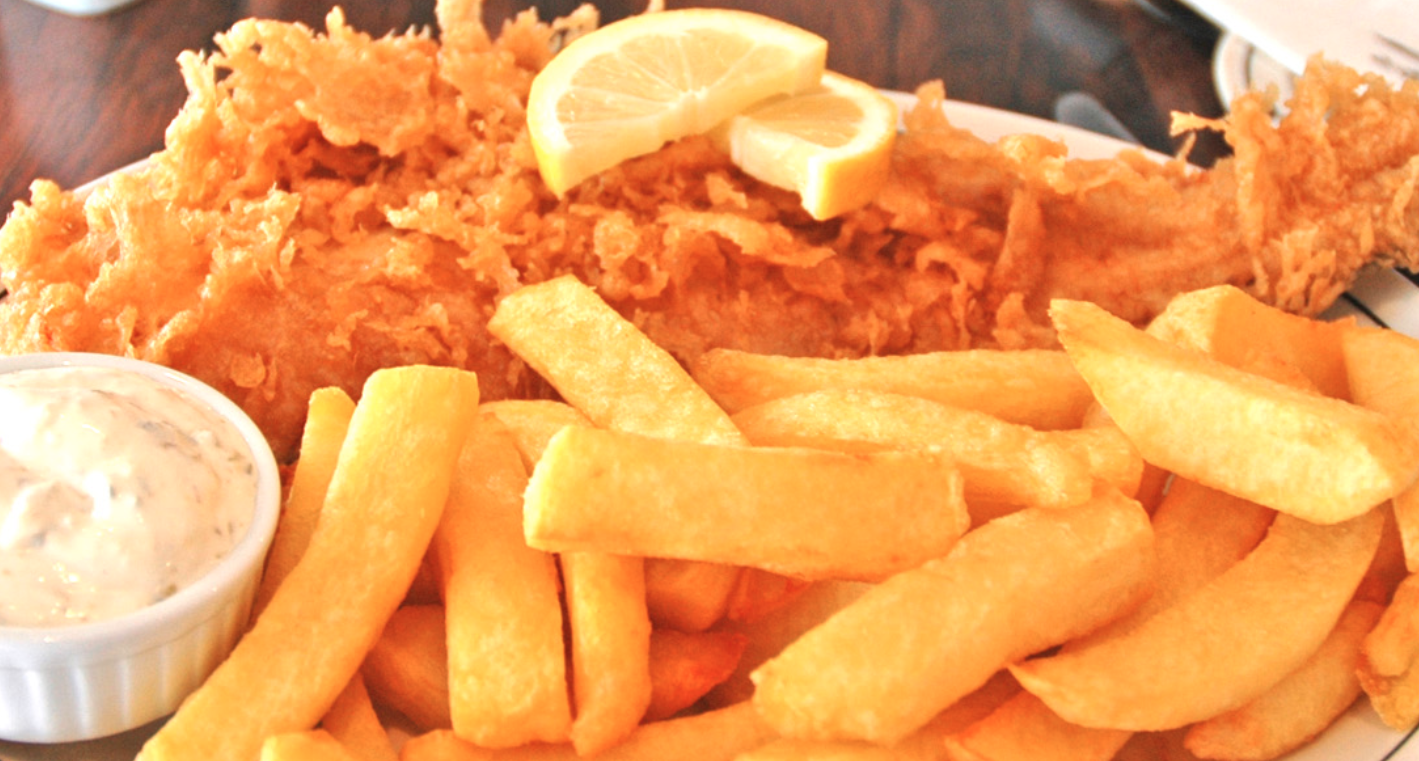
On the way back one fish supper, fish and chips to the rest of us, with an extra chips for the vegan, mushy peas and a curry sauce were, frankly, good enough to be Once from the Magpie in Whitby.
Fair praise indeed.