A long time ago, in a Canton, far, far away, Tim Berners-Lee, created, or, in popular parlance, invented the World Wide Web. To be fair, for more people, the internet and the World Wide Web are the same, or at least interchangeable. They’re not, they are different. The one underpins the other. One, the internet, is essentially, an enabler for the other, the World Wide Web.
Sometime later, Berners-Lee created the W3C, the World Wide Web Consortium, followed in 2008 by the World Wide Web Foundation. A noble man indeed. The World Wide Web Foundation have defined what they call the Contract for the Web.
This contract has a number of principles, points four, five and six specifically for companies to follow. They are listed as :
-
4 : “Make the internet affordable and accessible to everyone”.
-
5 : “Respect and protect people’s privacy and personal data to build online trust”.
-
6 : “Develop technologies that support the best in humanity and challenge the worst”
Today’s internet is a very different place to that which was originally envisaged by the egalitarian Berners-Lee. The vast majority of traffic, usage, data is managed, controlled and it’s usage controlled by a small, very small, handful of American companies, mostly, Google, Facebook, Apple, and to a slightly lesser extent, companies like Twitter and Microsoft.
Much of the data traffic, email, instant messaging, one to one and one to many, information search, for example, is on, or using, mobile ‘phones. Anecdotally, 95% of all mobiles run either Android, controlled by Google, or Apple. Microsoft’s Windows mobile has long since dies, Tyzen now powers televisions, Sailfish, which I still use, is even with my boisterous eulogising of it, still a niche product.
Pop down to your local retailer and try and find a device which is neither Android nor Apple. You’ll have to work very, very hard. You may fail. Such as it is.
The issue is not so much that these two companies exist, it is more that they have taken the role of moral arbiters, controllers of what users can do with the products they sell. Lets be clear about this, When you buy your mobile device, it is yours. You own it. Sadly, however, you don’t control it.
Google, and in a more authoritarian role, Apple, in a way which is reminiscent of the Calvanist puritanical ideology of those who left England in the early 1600’s complaining of persecution, only to persecute those, in the New World, who disagreed with them, have set themselves up as rule makes, judges and jury for you can do with your own device.
Both Google and Apple control the means by which you can add software to your device, by not allowing installs unless it is through their own software repositories, ironically called ‘Stores’. Which means that to get the product in the shop front the software creators have to abide by Apples and Googles rules. Add to that that any retail transactions which happen through that software, one third of that value, is sliced of by Apple and Google. It is common practice for both Google and Apple to remove software from their platforms, thereby not allowing users to install software of their choice on their own devices.
Morally indefensible. Legally obtuse ? We’ll find out soon as both Google and Apple are being sued in the courts and are under Government scrutiny for illegal practice. A an excellent précis can be found on the BBC.
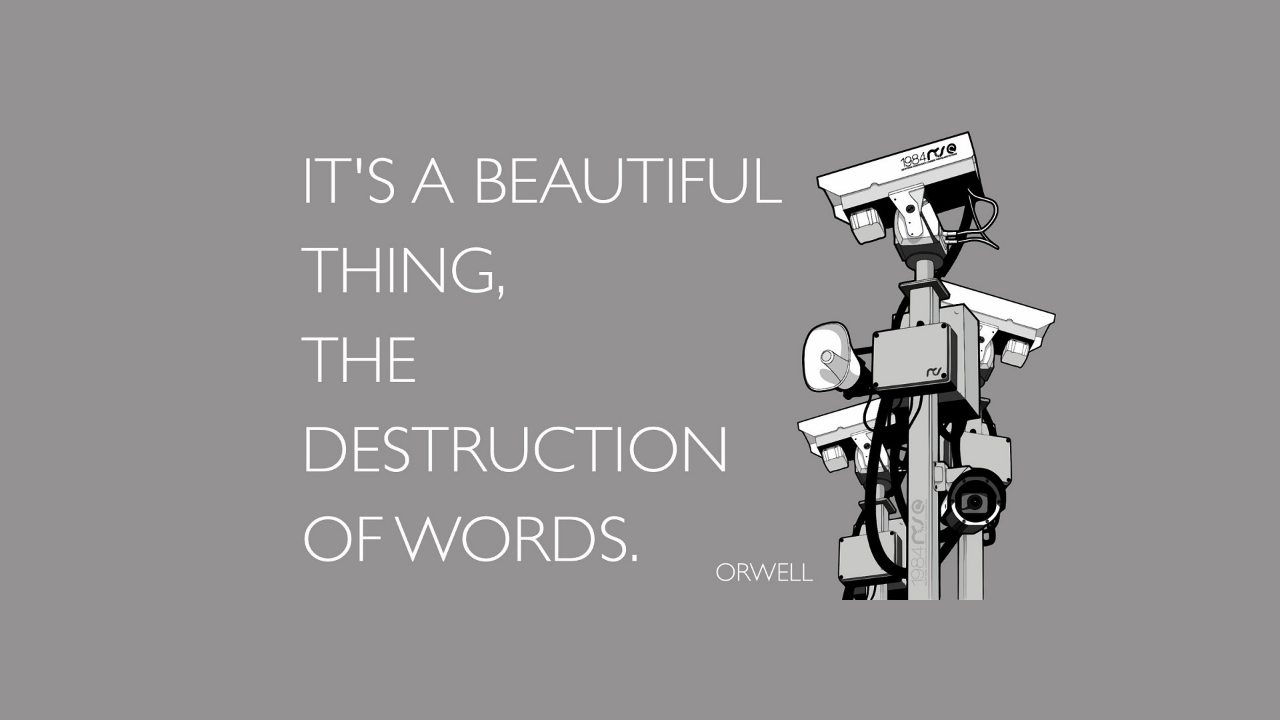
Sadly, the short term view, for the freedom of users and their data, would make Winston Smith weep. The long term view is likely to be even more intrusive. Berners-Lee must feel distraught.