There are two great markers for the social maturity of a city, of a capital city, of a country.
The first are it’s railway stations. Main stations, regional stations, town and village. But mostly city stations, intersections, hubs. Europe is awash with excellent railway stations; Berlin. Paris Gare de Nord. Brussels-Central. St Pancras London. Amsterdam Centraal. A favourite of mine is Bern. Generally European railway stations are the hub, the beating heart of a city. From very early in the morning, to late, late into the evening, all aspects of local life will pass through, stay a while and move on through the railway station. Railway stations are where people start the journey to work, where they meet before an evening out, the start and the inevitable end of a holiday. There are coffee shops, bakeries, restaurants in European railway stations. Shops selling clothes, books, music, flowers, Pumpernickel, wine and Brezel.
Invariable, the great railway stations of Europe are connected to the important airports of the region. It’s logical. It’s normal. It’s how every capital city in Europe gets people to and from the airport. By train. Once there, European airports are modern, efficient, bright airy places, full of exciting, interesting foods, indicative of the host city, but also, full of flavours of the cities with which they are connected. It is the way of things.
And so to Dublin Airport. The exception to the rule of all European Capital City Airports. Where almost every European Capital City Airport has it’s own Railway Station inside or, as with Zurich for example, underneath, Dublin has a bus station. Outdoors. In the rain. A ten minute walk away. In the rain. Or a bus ride to a large, outdoor car park. In the rain.
But this is Food on the Hoof, my occasional exploration of the joys of eating food n the hoof. Food on the hoof is a joy. The distillation of the best a region can offer, in small, easy to consume, portable morsels. Culturally local food embedded for centuries and passed down from parent to sibling, from kitchen to mouth, generation by generation; or foods, smells and flavours imported by those who have chose to make the host country their home and bring with them their edible culture; their food.
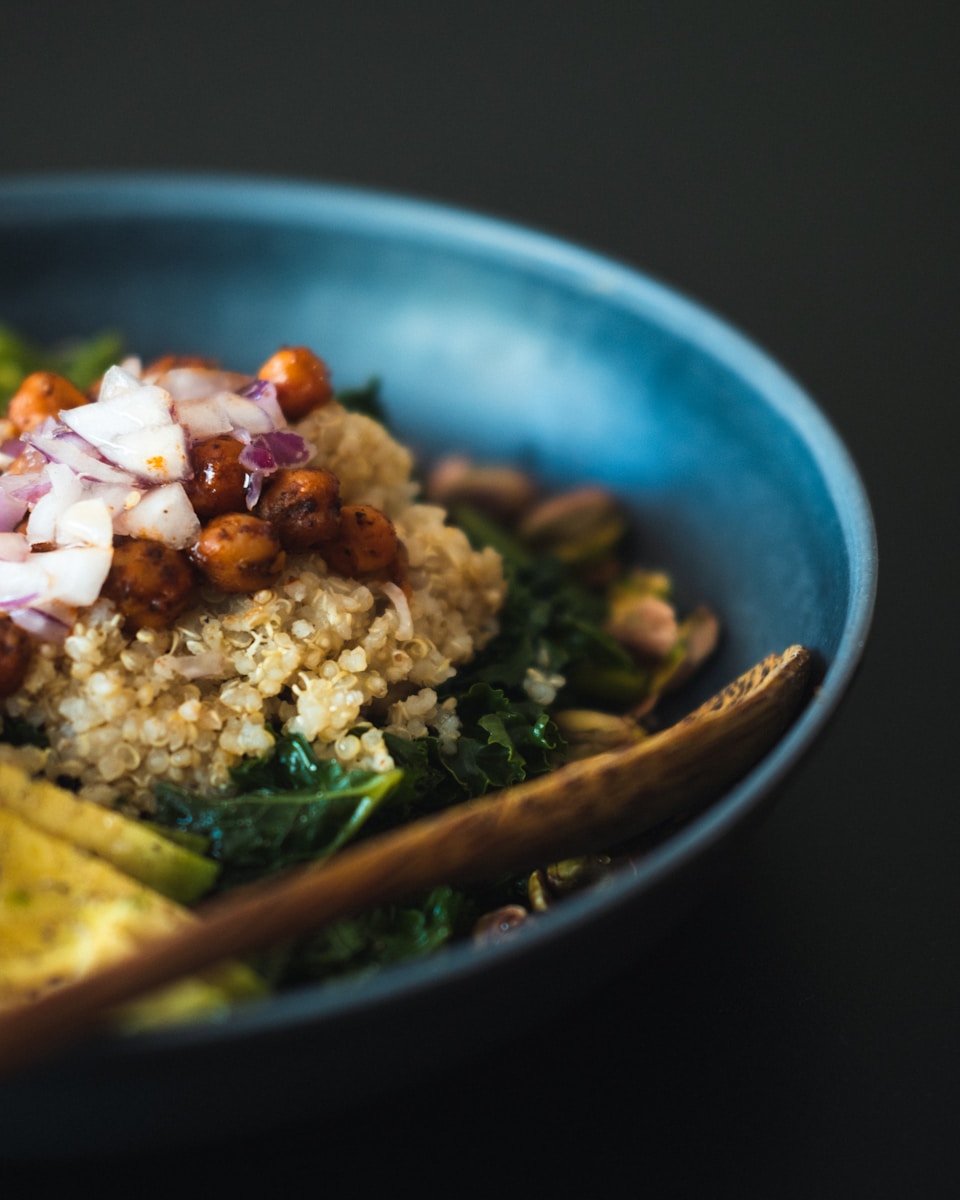
During the last year or so I have passed through Dublin Airport, Terminal Two half a dozen times or more; early morning, or mid afternoon. The experience has been the same, no matter the time. Dismal. The cultural maturity for somewhere can be judged by it’s epicurean diversity, the range and quality of food, both local and imported. The variety of tastes, textures, flavours and ingredients. At the top of the pile, the pinnacle food diversity is vegan food; the ability to create a satisfying meal, nutritionally satisfying and full or flavour; satisfying, filling and free of dead animals.
Dublin Airport, Terminal Two fails in every category. It is not that there is little choice. It is that there is no choice. None. Dublin Airport Terminal Two has no vegan food. None at all. No sandwiches. No cold food. No hot food. Nothing. Ready Salted crisps do not count as food. Yes, there is alcohol. Of course, this is Dublin. Even Burger King sells beer. According to the Airports own list, there are 18 Food and Drink outlets for Terminal Two, with some duplications. Starbucks, for example, has three. The list can be filtered. There are 13 different outlets. Nine serve alcohol. None have anything vegan. Dismal.
Dublin Airport, of all the airports I have been through, or to, is the single worst airport in all of Europe. They have just opened up a new pub of course. More alcohol. At five in the morning. Beer. But no food.
Shameful.
None out of ten.