During a recent conversation with a colleague, we agreed that, in all respects, we are now living in a better world than at any point in history.
And indeed, we are. In all aspects. Except one. I will come back to that.
Despite some notable exceptions, adult educational levels are growing across the world and, with a similar inverse correlation, religious dependency is reducing. Health and therefore life expectancy is rising. Indeed, for those born in and around the turn of the century, they have a life expectancy of around a hundred years. People are living, on average, seven minutes per year longer, for every year later they are born. There are some notable exceptions to this, of course, as the image below will attest.
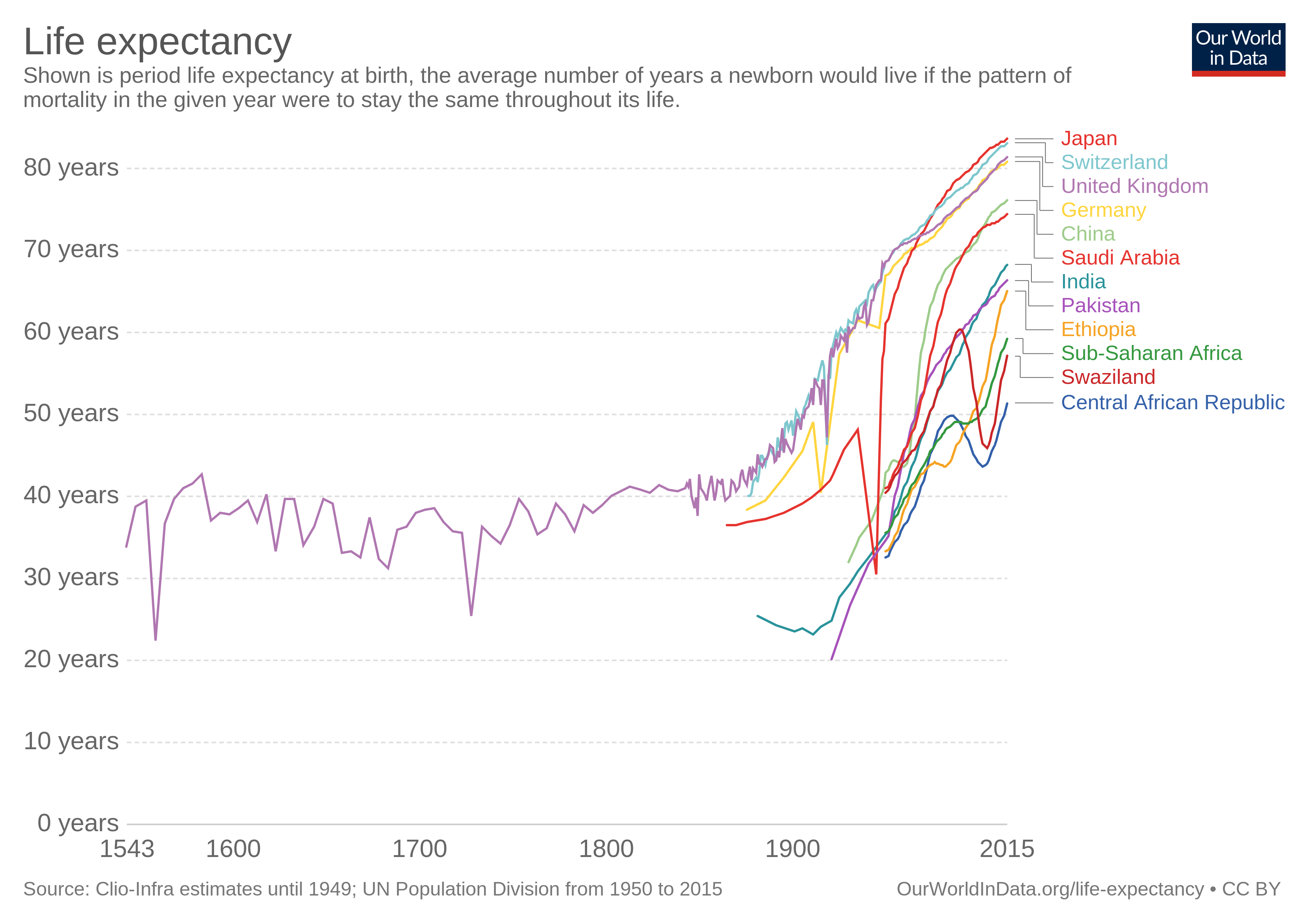
Even though there is a huge difference between those with the shortest and those with the longest life expectancy, a touch over 50 and a touch under 85, the mean, global values have gone up, decade upon decade, century by century. And as the global expectancy grows so does the total numbers as birth rates increase and mortality rates decrease. All of which can be attributed, in many ways, to improvements to health care, dietetics, nutrition and of course the quality and quantity of food.
The fields of science and technology have also moved on, forward, year by year, decade by decade. Technology has become more intricate as well as smaller, allowing more tasks to be accomplished with ever small technology. It is estimated that the current, mid range, mid price smart ‘phone has more than 100,000 times the processing power of the entire NASA programme that was used, on the day, to send three American test pilots atop 5.5 millions pounds of highly flammable fuel on a rounds trip of 250,000 miles to the moon and back. With a brief stop off to play a little golf.
Yes there were some important differences, but none the less, following the impressive Law of Moore, processing power has gone up, costs have come down, and with the ever increasing consumer wealth rising, prices have come down. Despite Apples best efforts to increase them. This last is often refereed to the Cupertino Idiot Tax.
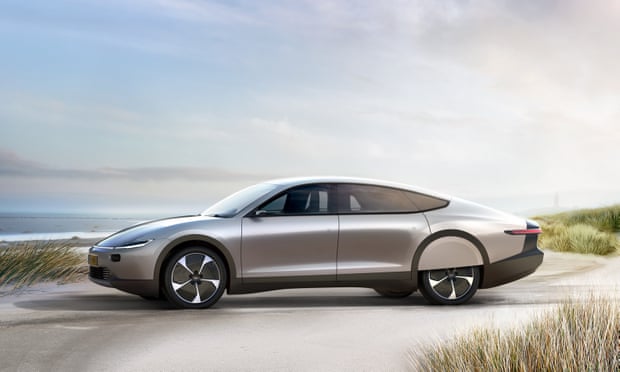
Cars are, by all conceivable measure, better now than they were say, 20, 30, 50 years ago. Cars are more efficient than ever, provide unheard of levels of safety, are faster, larger and more comfortable than ever while costing less and less of our average annual incomes. Which is also rising. I’m told cars will also soon run on sunlight rather than crushed up dinosaurs. What will they think of next.
During the 1970s and 1980 it was possible to sequence part of the genome, using manual processes such as the Maxam-Gilbert process or the Sanger process. It was quite controversial at the time, but when Craig Venter claimed he had developed an automated process for whole genome sequencing, the process took 15 years to develop took around 15 to 20 hours to process the data for an entire genome. The cost was incalculable. Now, for around £1000 process can be done in under 15 minutes. The next step in the process is to have the cost of the sequencing reduced down to £100, or US$1000, which seems to be the default currency for those in polo neck jumpers.
The areas of improvements to the quality of life, go on. Medicines, housing, the quality and availability of fresh foods, the ability to travel further and cheaper than ever before, high speed and maglev trains becoming a more common sight around the world. But it is the area of flight, of traveling by aeroplane that has not moved forward for more than four decades. It was on the 2. March 1969 when the world witnessed what was the first super sonic passenger jet flight. Concorde was born.
Concorde began life back in the early 1950 when the Royal Aircraft Establishment, now known the Ministry of Defense, stared exploratory work on the first SST, the Super Sonic Transport jet aeroplane. Work continued throughout the 1950s and into the 1960s, despite a number of mergers of British aircraft manufactures; due in part to a lack of demand after the second world war had ended and a changing political wind in Britain which was not only left leaning, but also prone to interfering. Bristol, now part of British Aerospace, or BAe Systems, designed the Bristol Type 223.
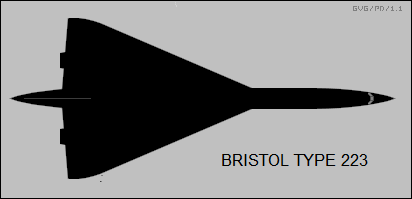
This became the driving design philosophy for what would become Concorde. Despite continued French objections to Britain joining what was then known as the Common Market, the French hoped a ride on the Concorde programme.
1969 saw the culmination of chief designer Archibald Russell’s ideas, dreams and work when the first flight of the worlds first Mach2 passenger jet aeroplane was successfully completed. Testing continued for a number of years throughout the early 1970’s. On the 21 January 1976 the first commercial flight left London on what would be a glittering, ending in October 2003 when the final commercial Speedbird flights landed, a series of three sequential landings at London’s Heathrow. Interestingly, the very last Concorde flight landed at Filton, Bristol, in November of the same year.
Concorde, the 1950’s dream of global super sonic flight, was the high point of passenger air travel. What we have now are slower, larger, more cumbersome aircraft. Yes, they can fly further and yes they can fly more efficiently and certainly they can carry more passengers, but so can a National Express Luton to Glasgow service. This is not something to be proud of. Ultimately, the failings of Concorde were not the failings of the design, or the engineering or indeed the concept; it was the failings of Governments and Industry not to follow up with Concord Two. SpeedierBird. Or if not Speedier, why not Bigger SpeedBird? A Concord carrying 200+ passengers, rather than the 100 of the Concorde Mark I. Rather than carrying 350 people from London to Australia in a svelte 17 hours, or 28 hours if one includes a stop over in the high cost, low class supermarket that is Dubai, one could fly at Mach2 for over 80% of the journey and land in Perth, a mere eight hours after take off.
Sadly, alas, Concorde Mark Two does not exist. Instead we have the Airbus A380. The worlds biggest passenger aeroplane. Marvelous. An opportunity lost one feels to really stretch the intellectual and engineering legs and to provide truly global air travel. One fears the days of mass, SST jet aeroplanes may take many, may decades to arrive. Once again.