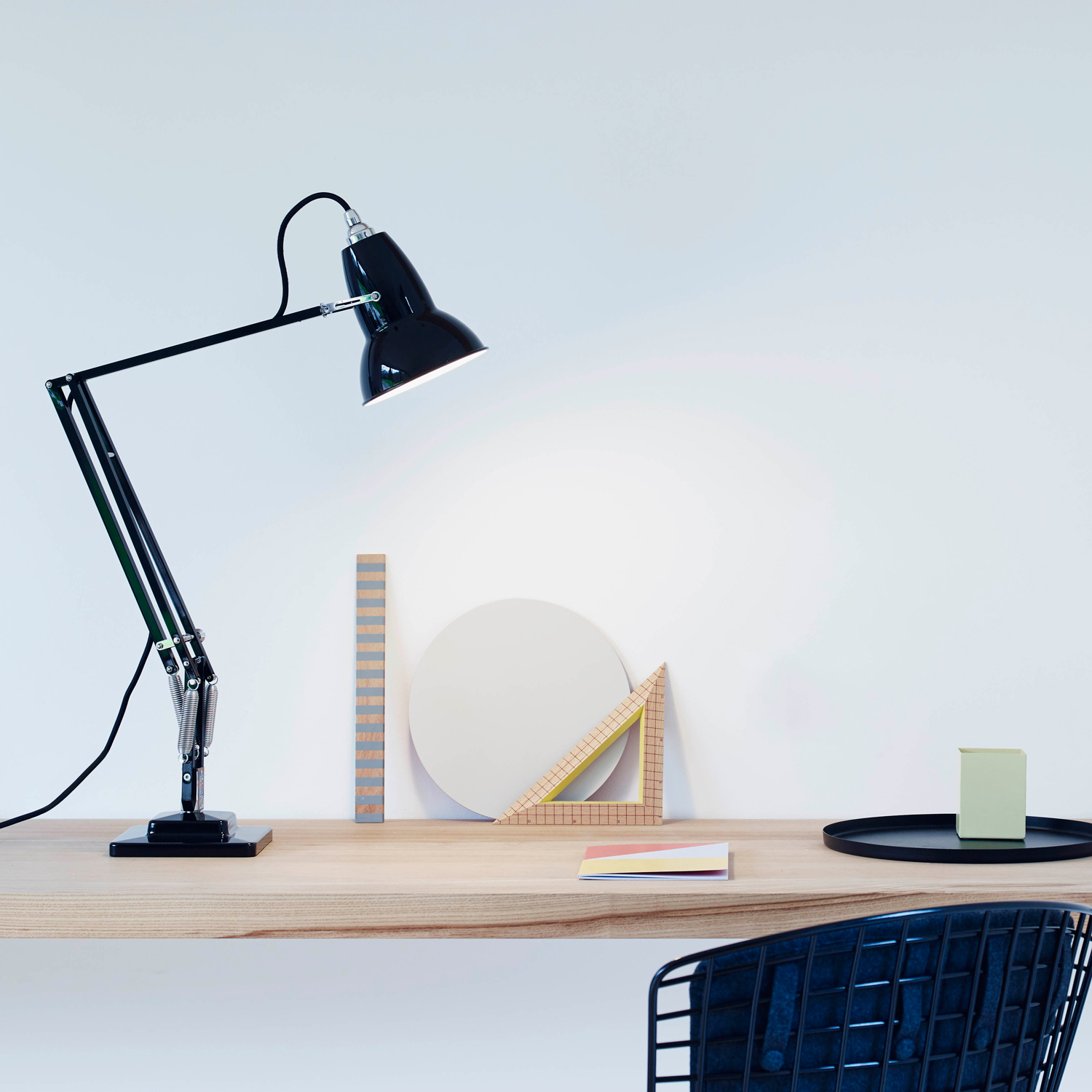
I love the Anglepoise lamp. Always have done.
I’m not going to write much, just copy from the home page of the Anglepoise company, with some of their pictures as well. I’m not selling them, I just love them.
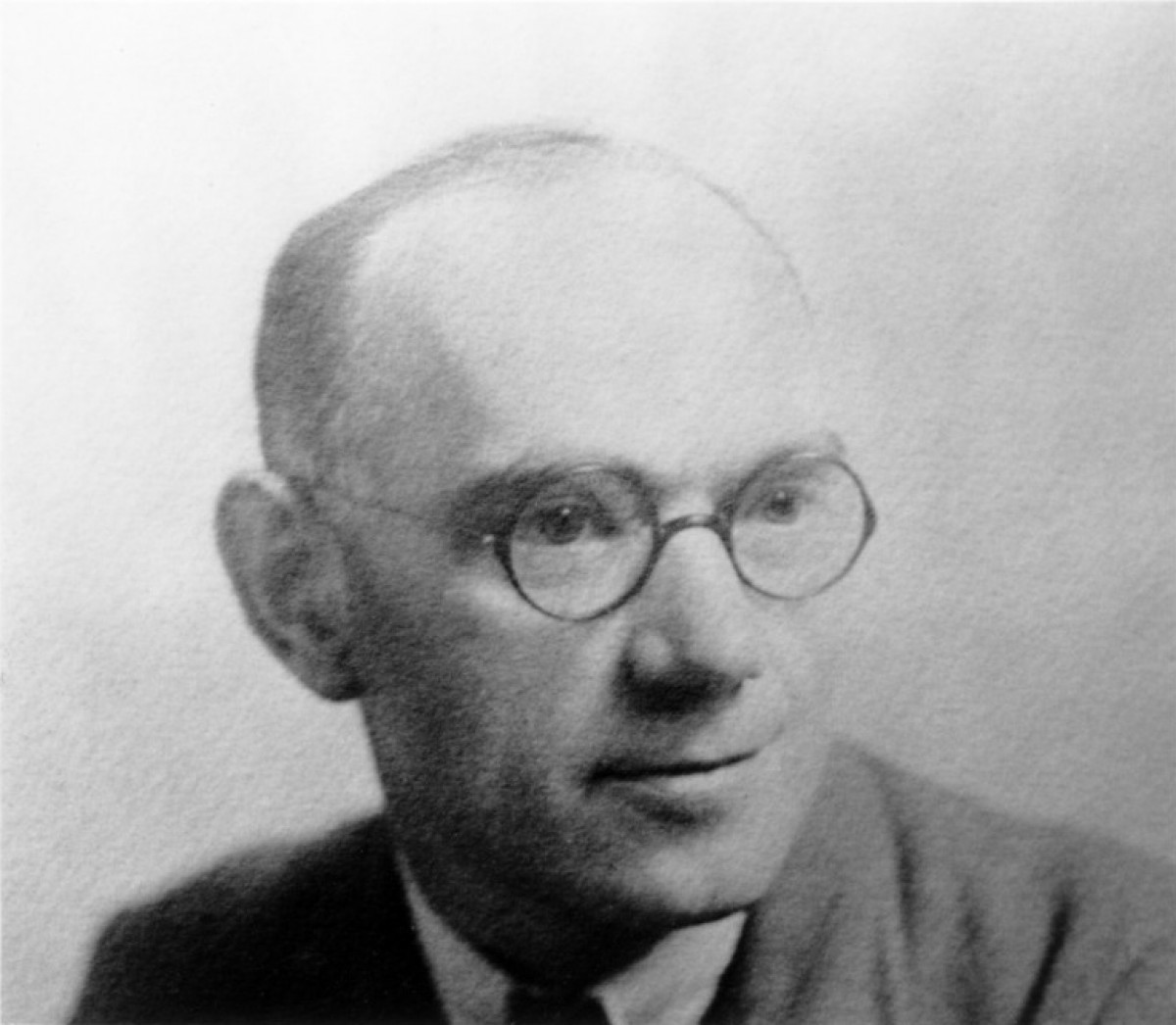
1931: Automotive engineer, George Carwardine develops a theoretical concept for balancing weights using springs, cranks and levers. Using special springs with a ‘constant tension’ quality developed by Terry’s, Carwardine had chanced upon the means to create an articulated task lamp that could combine ultimate flexibility with perfect balance. A patent is filed and, in 1933 the first four-spring Anglepoise® lamp is launched.
The four-spring Anglepoise® is deemed too industrial for a domestic market so, in 1935, Carwardine, together with the designers at Terry’s, develops a three-spring version. This design, known as the Anglepoise® Original 1227™, has been refined over the years but is generally considered the archetypal Anglepoise® lamp.
Anglepoise® Navigator’s lamps are produced for the World War II bombers between 1939-1944. Four decades later, an American team searching for the Loch Ness Monster salvages a Wellington bomber submerged in the mud. Remarkably the lamp still works! Known as R for Robert, the plane, complete with working lamp, is exhibited at the Brooklands Museum in Surrey, UK.
The anthropomorphic quality of the Anglepoise® lamp design has inspired musicians, artists, designers and writers over the years. In 1979, the proto-punk pop band, The Soft Boys, release “(I want to be an) Anglepoise lamp”. Six years later in 1985, innovative sculptor, David Mach creates “The Giant Hand Sculpture named Knuckle Shuffle” from 360 black Anglepoise® lamps.
Having previously identified the Anglepoise® as his favourite design and a ‘minor miracle of balance’, Sir Kenneth Grange, responsible for some of Britain’s most iconic and successful designs, including the Kenwood Mixer, the Kodak Instamatic, the Intercity 125 train and the updated London taxi, becomes Design Director of Anglepoise®. His first Anglepoise® design, the Type3 desk lamp is launched in 2003. Read more about Sir Kenneth Grange.
Anglepoise® is approached by the Roald Dahl Museum and Story Centre to produce a giant version of the Anglepoise® Original 1227™ lamp that sat on the desk in Dahl’s writing hut. Three prototypes are produced; one for the Centre, a second is sold to film director, Tim Burton and a third was exhibited at the 100% Design Exhibition in London. The lamp generates so much interest that it is put into volume production.
To celebrate the 75th anniversary, in 2009 the Anglepoise® Original 1227™ is featured on a Royal Mail stamp, alongside other iconic British designs including the K2 Telephone Kiosk, the Routemaster Bus, the London Underground Map and the Mini.
Anglepoise® is selected by the Design Museum as one of six design stories that illustrate the impact of contemporary design on our everyday lives. Extraordinary Stories about Ordinary Things will remain on permanent display until 2015. Early examples of Anglepoise® lamps can also be seen at the Victoria & Albert Science Museum in London and Anglepoise® is included in the Vitra Design Museum’s touring exhibition, Lightopia, which opened in Germany on 29th September.
Created for Anglepoise® by leading British industrial product designer, Sir Kenneth Grange, the timeless Type 75™ design provides the perfect canvas for Paul Smith known for his mastery of colour. Its streamlined, modernist form has become the designer’s palette and its no-frills, mechanical functionality is highlighted by his playful colour-by-component approach.
To celebrate the revival of Centre Point, one of London’s most recognised landmarks, Anglepoise® worked with Eley Kishimoto to create a series of striking new editions of the Original 1227™ desk lamp. Embellished with exclusive Eley Kishimoto print designs inspired by the Centre Point façade, the ergonomic simplicity of the iconic Anglepoise® design reflects the building’s architectural majesty.